
China NFC Label Revolutionizes Smart Packaging and Authentication
2026-05-12
Imagine a world where a simple tap on a product’s packaging instantly reveals its entire journey—from factory to shelf—while guaranteeing authenticity. Thanks to China’s groundbreaking adoption of NFC labels, this is now a reality. These intelligent tags are quietly transforming smart packaging and product authentication, offering brands a powerful way to fight counterfeits and connect with consumers. At the forefront of this shift, OSRFID is delivering the cutting-edge NFC solutions that make this seamless interaction possible. Let’s delve into how this technology is reshaping the packaging industry and what it means for the future of brand trust.
A Quiet Shift in How China Thinks About Packaging
For decades, packaging in China was all about layers — glossy boxes, plastic wraps, and an unspoken rule that more was more. Gifts came wrapped like Russian dolls, and even everyday items often arrived in containers that felt wasteful but signaled prestige. It was a language of its own: the heavier the package, the higher the respect. That mindset, deeply rooted in cultural norms around gift-giving and face, made over-packaging almost invisible to the casual eye.
Quietly, that's beginning to change. Younger consumers, weaned on convenience and climate anxiety, are steering away from the excess. They're the ones raising eyebrows at a lipstick encased in cardboard, plastic, and ribbon just to land in a bathroom drawer. Meanwhile, regulations that once seemed toothless are sharpening — new national standards now limit the number of layers and empty space in packaging, pushing companies to rethink design. It's not a dramatic crackdown, more like a slow rewiring of priorities.
The e-commerce boom, ironically, may be accelerating this shift. When everything arrives at your doorstep, the magic of unboxing can quickly sour into frustration over recycling. Brands are starting to notice: minimalist wrap, compostable mailers, and even reusable logistics boxes are popping up, not just as marketing ploys but as operational priorities. It's still a messy transition, full of contradictions, but the quiet consensus is growing — packaging shouldn't outweigh the product itself.
Brand Security Gets a Contactless Upgrade
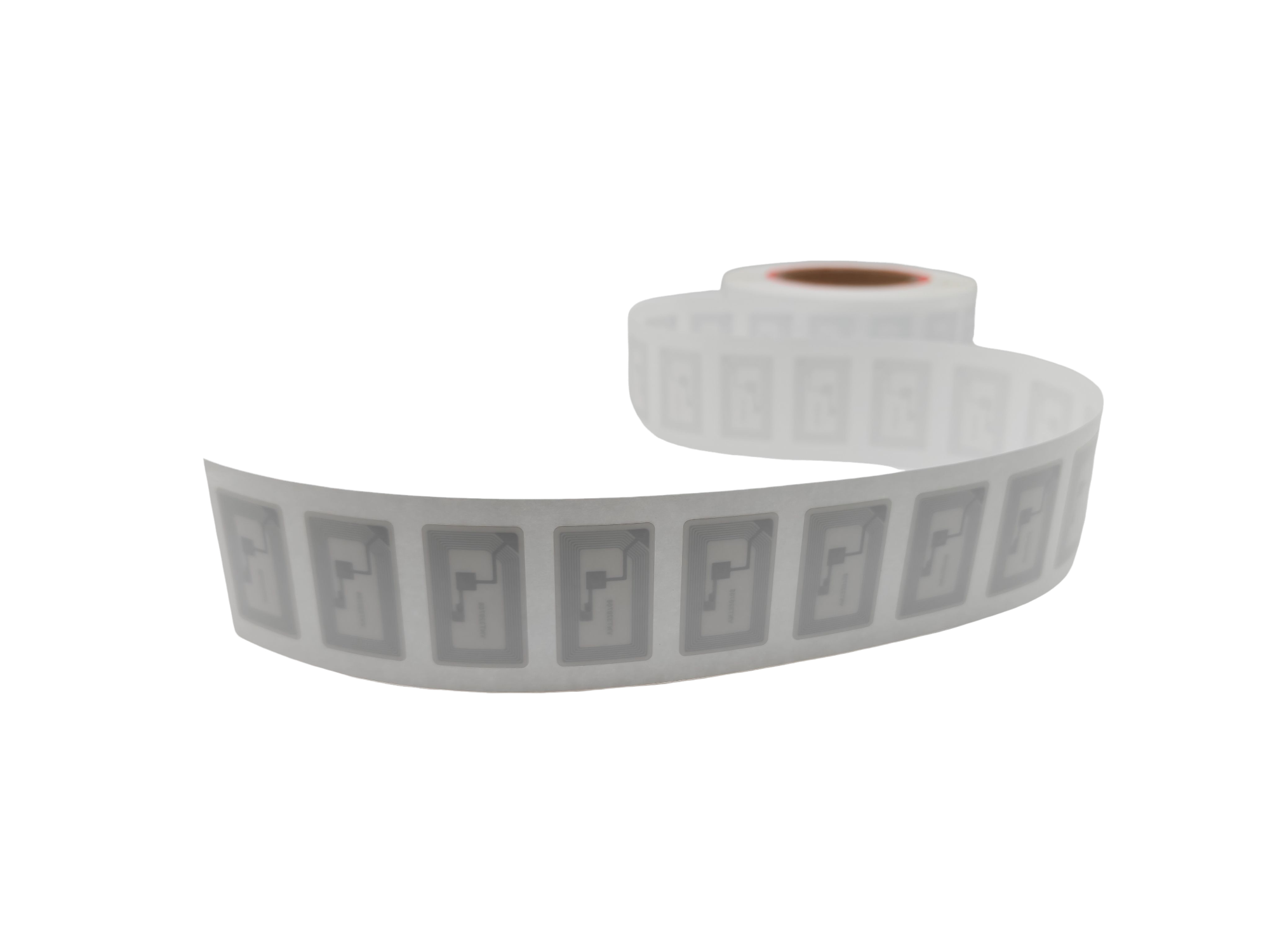
The shift toward contactless technology has quietly reshaped how brands protect their identities. From NFC-enabled tags to tamper-proof QR codes, companies now embed invisible layers of verification directly into product packaging. These tools not only confirm authenticity in seconds but also create a seamless bridge between physical goods and digital experiences, all without requiring a single touch.
What sets modern solutions apart is their ability to work without specialized knowledge or equipment. A quick scan with any smartphone can reveal a product's entire journey, from manufacturing to the shelf. This transparency builds an immediate sense of trust, while behind the scenes, encrypted markers and unique serialization block counterfeiters at every stage. The result is a system so unobtrusive that consumers barely notice it, yet it operates relentlessly around the clock.
Perhaps most striking is how these upgrades turn security into a brand-strengthening asset rather than a defensive measure. Every verification becomes an opportunity to engage customers with tailored content, loyalty rewards, or product stories. In this way, protection and promotion merge, giving brands a silent but powerful edge in crowded markets. The technology doesn't just lock out fakes—it invites genuine connections.
One Tap Opens a Door to Product Life Stories
You scan a code, and suddenly you’re not just holding a product—you’re tracing its roots back to a small workshop in Tuscany, or watching a farmer in Colombia harvest the beans that became your morning coffee. That’s the quiet magic of a single tap: it peels away the glossy packaging and replaces it with faces, places, and choices that would otherwise stay invisible. There’s no heavy-handed marketing here, just an open door to the kind of stories that make an object feel less disposable.
Most of what we buy carries a hidden narrative—where materials were sourced, how they were assembled, who handled them along the way. A single interaction can pull these threads together into something unexpectedly personal. It might be a quick video from the designer explaining why a stitch was moved half an inch, or a timestamped log showing how long a piece of wood was naturally dried before it ever touched a tool. These aren’t things you’d ask for outright, but once you see them, the product gains a sort of quiet permanence in your mind.
Beyond the story itself, this kind of transparency nudges us toward a different relationship with the things we own. When you know the name of the person who sealed the box or the exact temperature at which a material was cured, the impulse to just toss and replace dulls a bit. You start to wonder more, compare less, and maybe even hold on a little longer. It’s a small shift—one tap, one story—but it slowly redefines what we consider valuable.
Where Counterfeits Fear to Tread
In the luxury watch world, a few brands have built such intricate ecosystems of authentication that counterfeiters simply give up. It’s not just the serial numbers or holograms—it’s the proprietary movements with hand-polished bevels invisible to the naked eye, the paper trails tracked by in-house service centers, and the way a vintage Submariner’s patina tells a story no factory replica can mimic. These guarded sanctuaries thrive on shared knowledge between collectors, watchmakers, and auction houses, forming a barrier where fakes don’t just fail—they never attempt to enter.
High-end perfumery offers a similar refuge. A bottle of Clive Christian or Roja Dove carries a weight and glass-cut precision that copycats avoid due to sheer cost. The liquid inside is layered with rare naturals—oud, iris butter, ambergris—whose scent develops over hours in ways synthetic clones can’t replicate. Here, the fight isn’t waged through legal threats but through an uncompromising supply chain and a fanbase that treats a perfume like olfactory art. Counterfeiters stick to the mass-market bestsellers, leaving the true artisans’ world untouched.
What Happens When Labels Start Listening
The old model was built on guesswork. A handful of executives would sit in a room, listen to demos, and decide what the public should hear. When labels actually start paying attention to the data—streaming numbers, playlist adds, even the chatter in comment sections—that hierarchy flips. Suddenly, the people in the boardroom aren’t the tastemakers; they’re just catching up. It’s no longer about pushing a sound, but responding to one that’s already out there, growing in the wild.
But listening goes deeper than spreadsheets. It means hearing the quiet demands for transparency in contracts, acknowledging the burnout artists have been screaming about for years, and taking cues from fan communities that have been building micro-scenes without any label support. When that feedback loop tightens, the whole machinery starts to feel less like a monolith and more like a conversation. And in that space, the hits don’t just come from the top down—they bubble up from places the old gatekeepers never thought to look.
The Rise of Everyday Items With Digital Twins
It’s easy to picture a jet engine or a wind turbine existing in both physical and virtual forms—but a coffee mug? That’s exactly where things are heading. Quietly, all kinds of ordinary objects are spawning digital counterparts that live in the cloud, tracking, simulating, and even tweaking their real-world behavior. Take a simple water bottle: its digital twin could log daily hydration, nudge you when you’ve been sitting too long, and ping the manufacturer when the filter needs replacing. The mundane, it turns out, makes for surprisingly rich data.
This shift isn’t about gadgetry for its own sake. It’s about giving lifeless items a kind of memory and responsiveness we normally associate with living things or high-end machinery. A pair of running shoes with a digital twin might map wear patterns to help prevent injury, while a humble kitchen knife could guide you through sharpening techniques based on how you use it. None of this requires you to fiddle with an app constantly; the object simply gets better at its job, learning and adapting in the background. In that sense, the rise of everyday digital twins isn’t about making things "smart" in the flashy sense—it’s about making them quietly competent.
FAQ
It's a near-field communication tag embedded directly into product packaging, allowing a simple tap with a smartphone to fetch real-time product details, verify authenticity, and even trigger interactive brand experiences—without needing a separate app in many cases.
Unlike QR codes or holograms that can be copied, each NFC chip contains a unique encrypted digital signature that's nearly impossible to clone. When scanned, it can instantly cross-check with a brand's secure server to confirm the item is genuine, giving both companies and consumers a much stronger line of defense against counterfeits.
Luxury goods, pharmaceuticals, and premium liquors are early adopters, but it's also creeping into everyday items like packaged foods and cosmetics. Any industry plagued by fakes or needing to prove freshness and origin is finding value here—think wine provenance tracking or verifying that medicine hasn't been tampered with.
Absolutely. Most modern phones have NFC built in and can read these tags with a single tap—no extra hardware or app installs required. The label can redirect the user to a web page with product stories, usage tips, or authenticity confirmation, all within seconds.
While the per-label cost used to be high, Chinese manufacturers have driven it down significantly through scale and innovation. Now it's viable for mid-range products too, and we're even seeing trials on fast-moving consumer goods. The long-term value in brand protection and customer engagement often outweighs the few extra cents per unit.
These labels use secure elements with cryptographic keys that are factory-locked and unique per chip. Combined with cloud-based verification, any copy would fail the cryptographic handshake. Additionally, some labels detect tampering—if someone tries to peel and reattach the tag, it self-destructs or triggers an alert in the system.
China's massive manufacturing base and rapid adoption are setting a benchmark. International brands are taking notes, especially on how the labels bridge physical products with digital ecosystems. We're seeing a shift towards 'phygital' packaging where every item becomes a gateway to loyalty programs, refill reminders, or immersive content, pushing packaging way beyond its traditional role.
The next wave is about data and interactivity. Imagine a label that not only proves the product is real but also tells you its carbon footprint, suggests recipes, or auto-reorders when you're running low. Integration with IoT platforms could let a skincare cream trigger personalized tips when you tap it with your phone, turning packaging into an ongoing service rather than just a one-time check.
Conclusion
China's embrace of NFC technology in packaging is quietly redefining how products communicate with consumers. Once a passive shell, packaging now becomes an active gateway—one tap with a smartphone instantly verifies authenticity, pulls up rich product histories, and even triggers real-time interactions. This shift goes beyond novelty; it addresses deep-rooted issues like counterfeiting by making every item traceable through a unique digital identity. From luxury goods to everyday groceries, brands are weaving contactless intelligence directly into labels, turning a simple scan into a trust-building moment and a powerful storytelling tool.
Behind the scenes, NFC-equipped labels are creating parallel digital twins for physical products, bridging the gap between atoms and bits. A bottle of wine can narrate its vineyard origins, a packet of medicine can confirm its cold-chain integrity, and a designer bag can showcase its craftsmanship journey—all without any intrusive packaging redesign. The result is an ecosystem where counterfeits fear to tread, because the label itself listens and responds, acting as a silent sentinel of authenticity. As everyday items gain these digital counterparts, the packaging revolution is turning into a new layer of consumer engagement, one where every product can tell its own story with a simple tap.
Contact Us
Contact Person: Esme Mo
Email: [email protected]
Tel/WhatsApp: 0086 191 2931 7837
Website: https://www.osrfidglobal.com/