

ODM RFID Chip Tag Solutions for Modern Inventory Management
2026-11-16
Inventory blind spots can quietly bleed a business dry. ODM RFID chip tags are changing that—offering real-time visibility without the manual scans or guesswork. At OSRFID, we’ve seen how the right tag turns chaos into a live, accurate count. Here’s what makes these solutions too practical to ignore.
Tags That Endure the Warehouse Gauntlet
Every label that survives a warehouse has already been through a silent torture test. Forklift vibrations, conveyor abrasion, chemical spills, and temperature swings from loading docks to deep-freeze zones all conspire to peel, fade, or smudge the print. The ones that last aren't lucky—they're built with a stubborn combination of face stock, adhesive, and topcoat that shrugs off forklift tines scraping across barcodes and still scans clean after months of grime.
You learn to spot the survivors by their scars. Slight edge wear is acceptable; missing digits in a serial number are not. The real workhorses often carry a matte finish that hides scuffs, paired with an adhesive that grabs onto dusty corrugate or slightly oily plastic bins without bleeding. Some even laugh off a direct hit from a pressure washer during sanitation cycles, then hold their contrast under flickering sodium lights at 3 a.m.
Choosing tags for that environment means ignoring the glossy marketing sheets and asking the floor supervisor which ones they've seen survive a pallet jack collision. The answer usually points to the same conclusion: labels engineered for abuse, printed with resin-based ribbons on synthetic stock, and tested by people who know that a failed tag doesn't just disappear—it becomes a manual data entry error waiting to happen.
Item-Level Visibility Without the Manual Drudgery
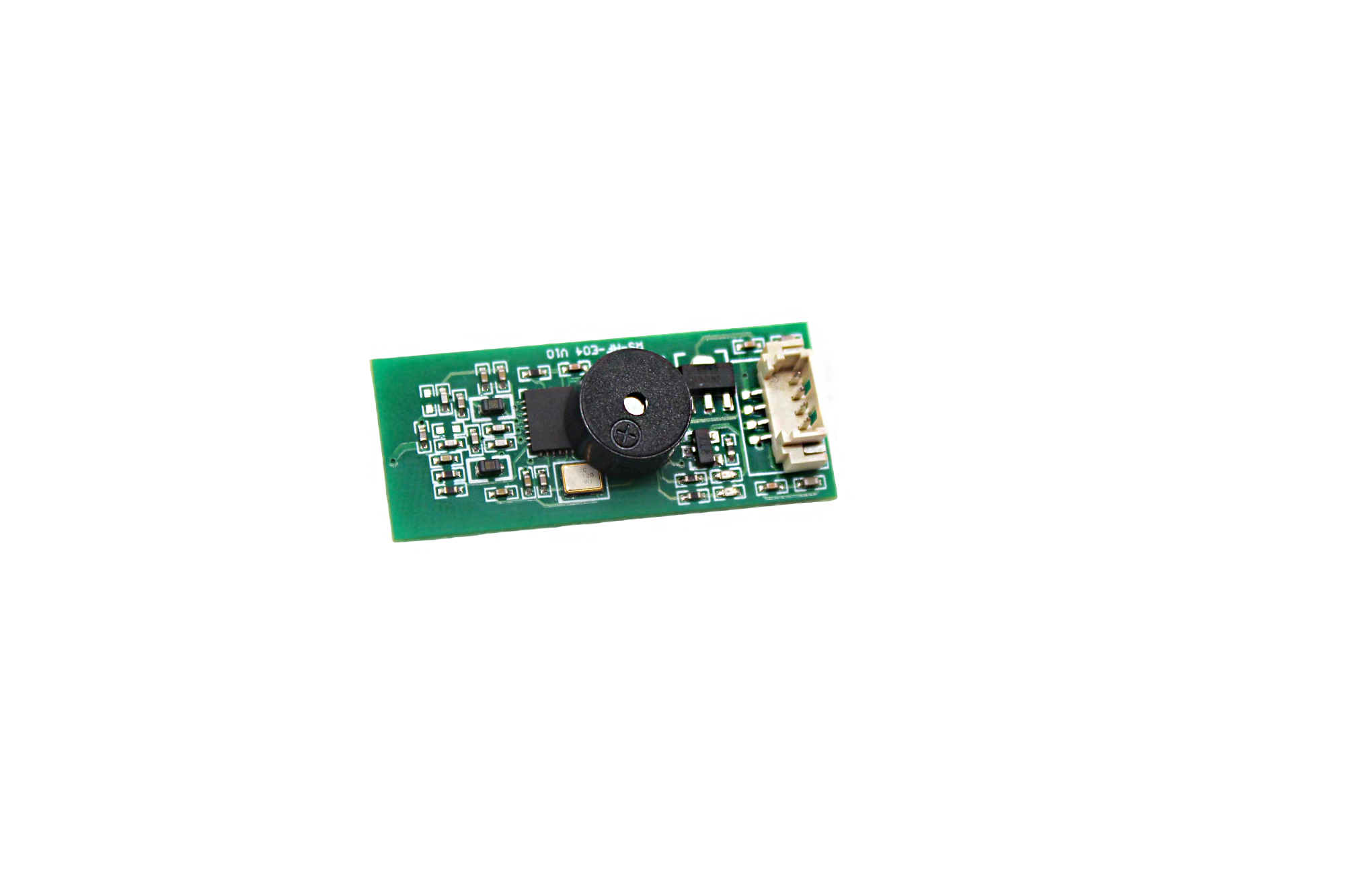
Keeping track of every single item across a sprawling inventory used to mean endless spreadsheets, barcode scans, and the occasional late-night reconciliation headache. Modern systems flip that script entirely. Instead of relying on someone to physically count or manually log each unit, automated capture points work quietly in the background—snapping every SKU as it moves from receiving to shelf to shipping. The result is a live, granular picture of stock that refreshes on its own, without anyone having to chase down a clipboard or squint at a handheld scanner.
This level of detail changes how teams operate. A store associate can pull up a specific shirt size or a warehouse worker can locate a single pallet in seconds, because the data is already there, tagged to the item itself. No more guessing whether a product is in the back room or already on the floor. The mundane effort of logging, double-checking, and correcting human error simply fades away, replaced by a steady stream of accurate, item-level signals.
The real payoff comes when exceptions happen. A misplaced item, a damaged unit, or an unexpected return doesn't trigger a panicked search—it just shows up in the system, flagged and ready for action. Teams spend less time doing inventory chores and more time responding to what actually matters: keeping shelves full, orders moving, and customers happy. That's the quiet magic of visibility without the drudgery.
Custom Chip Encoding for Your Existing SKU Logic
When your product catalog already runs on a well-defined SKU system, forcing a new chip numbering scheme can create more friction than value. The smarter approach is to map chip identifiers directly onto the logic you already use. For instance, if your SKU breaks down by product family, voltage variant, and packaging type, the chip encoding should mirror those same segments. This way, a quick glance at the chip code tells the warehouse team exactly which bin to pull from, without cross-referencing a separate lookup table.
Practical implementation starts with auditing your current SKU structure. Identify the fields that actually drive inventory, pricing, or assembly decisions—those are the ones worth encoding into the chip. Drop the rest. A common mistake is trying to pack too much information into a short string, leaving codes so dense that nobody remembers them. Instead, keep the encoding readable at human speed. Think of it as extending your existing logic rather than inventing a parallel system.
The payoff shows up in daily operations. When a pick ticket lists a chip code that aligns with your internal logic, errors drop because the code itself acts as a sanity check. Returns get processed faster, reorders match previous history more cleanly, and new hires onboard quicker since they only need to learn one consistent pattern. Best of all, you avoid the hidden cost of maintaining duplicate identification schemes across your ERP, e-commerce platform, and physical labels.
Real-Time Stock Signals, Not Weekly Snapshots
The problem with weekly snapshots is they're already stale by the time you read them. A stock can move 5% between Tuesday and Friday, and if you only see Friday's closing chart, you've missed the entry or exit point. Real-time signals, on the other hand, flag changes as they happen, so you can react while the move is still developing rather than chasing it after the fact.
There's also a psychological difference. Weekly reports tend to smooth over intraday volatility, making the market look calmer than it actually is. That false sense of stability can lead to overconfidence or delayed stops. Live monitoring keeps you aware of the actual pace of price movement, which matters more than a neatly summarized end-of-week number.
Integration That Plays Nice with Legacy WMS
Connecting a modern platform to a legacy WMS often feels like trying to get two people from different decades to collaborate. The older system wasn't built for real-time APIs or cloud handshakes, so the integration layer has to translate between what the warehouse expects and what the new software sends. We don't assume your WMS will change—we adapt around its quirks, whether that means polling a flat file export, listening on a socket, or wrapping a clunky SOAP endpoint into something usable.
Rather than forcing a rip-and-replace, the integration sits alongside the WMS and respects its existing workflows. Order data flows in through whichever channel the legacy system can handle, and inventory updates come back out without disrupting the floor. If a batch job runs every ten minutes, we work with that cadence instead of demanding a streaming connection. This keeps the warehouse team in familiar territory while the rest of the stack moves faster.
Error handling is where most integrations fall apart, so ours treats the WMS as a slightly unpredictable partner. Failed syncs are queued, retried with backoff, and flagged only when a human actually needs to step in. That means a dropped connection or a timeout doesn't become a fire drill—it becomes a log entry that resolves itself more often than not.
From Pallets to Single Components: One Tag Family
The same tag family scales from a rugged, road-ready label on a shipping pallet down to a whisper-thin inlay tucked inside a single electronic component. Each variant carries the same data structure and reads through the same handheld or fixed readers, so a warehouse team can scan a pallet at the dock and then track a returned microchip from a customer repair box without changing software or training.
During inbound receiving, large tags with a thicker substrate survive forklift contact and weather exposure. As cartons are broken down, mid-size tags stay on bins and trays. Finally, small form factors with flexible antennas attach to individual assemblies, connectors, or even machined parts. Because the entire family shares encoding rules, a single read event at any level feeds the same inventory record instead of forcing separate data silos.
This continuity eliminates the usual handoff gaps between bulk logistics and unit-level traceability. A production line can pull components from a tagged tote, confirm the exact reel or tray, and then write a unique history to the component-level tag before it enters a subassembly. The result is a clean chain of custody that starts at a pallet and ends at a replaceable part inside a finished device.
FAQ
ODM RFID tags can be read without line-of-sight, handle bulk scanning, and store unique identifiers that survive harsh handling—something barcodes simply can't match in fast-moving warehouses.
A good ODM partner tunes antenna geometry and substrate materials so the tag performs reliably even when attached directly to metal or near liquids, avoiding the read failures common with generic tags.
Most operations see immediate relief from manual cycle counts, misplaced stock, and shipping errors because RFID captures location and movement data automatically as items pass choke points.
Look for in-house RF tuning, proven experience with your product materials, and a willingness to pilot-test tags in your actual environment before committing to volume production.
Yes, if the tags are encoded to standards like EPC Gen2, they can feed data into most modern WMS or ERP platforms through standard reader APIs, often without replacing your core system.
A typical project runs four to eight weeks, depending on material tuning, sample iterations, and reader placement testing—rushing this stage often leads to poor read rates later.
The main additional costs are readers, antennas, and possibly middleware, but a well-designed tag can reduce reader count by improving read reliability, so total system cost often drops.
Many operations report inventory accuracy above 99%, a 30–50% reduction in stock-count labor, and fewer stockouts, with payback often within 12–18 months.
Conclusion
Managing inventory across a sprawling warehouse often means choosing between rugged hardware and readable data, but ODM RFID chip tags erase that compromise. These tags are built to survive drops, vibration, dust, and the occasional forklift mishap while still returning a clean read. Instead of relying on handheld scanners and cycle counts, staff get item-level visibility the moment goods pass a reader. Because each chip can be encoded to mirror your existing SKU structure, there is no need to rip out the numbering system your warehouse already trusts. The result is less manual logging and fewer end-of-day reconciliation headaches.
The real shift comes from receiving live stock signals instead of stale weekly reports, so replenishment and order picking are driven by what is actually on the shelf. Integration stays low-friction because the tags work alongside legacy WMS platforms through standard data formats, letting operations teams phase in RFID without a costly rip-and-replace. A single tag family covers everything from pallets and cartons down to individual components, which removes the need to juggle multiple tag vendors. That breadth keeps the entire supply chain on one readable thread, from receiving dock to final dispatch, without adding extra steps for floor staff.
Contact Us
Contact Person: Esme Mo
Email: [email protected]
Tel/WhatsApp: 0086 191 2931 7837
Website: https://www.osrfidglobal.com/